It may feel like the IRS never stops trying to collect — but federal law limits how long they can pursue you. The IRS has 10 years from the date your tax is assessed to collect the debt. Once that time expires, the balance becomes legally uncollectible.
When the 10-Year Period Begins
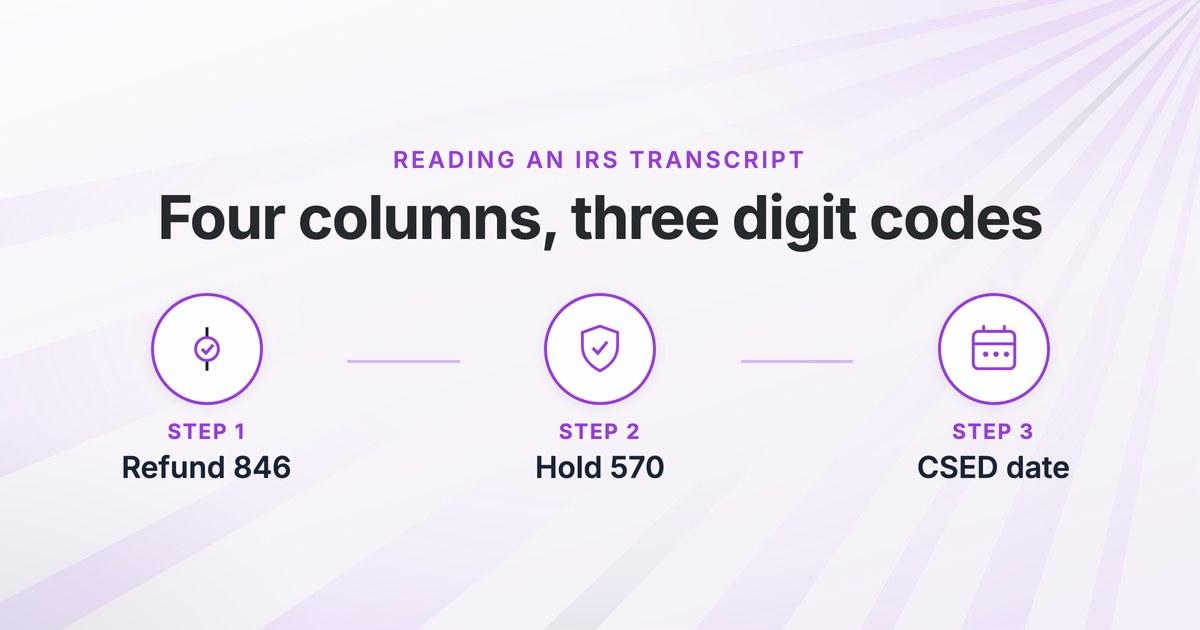
The countdown starts when the IRS officially records your tax liability — usually after you file your return or when they file a Substitute for Return for you. That date is called your Collection Statute Expiration Date (CSED).
Once 10 years pass, the IRS must stop all collection activity, including liens and levies.
What Can Extend the Deadline
Certain events “pause” the 10-year clock, such as:
-
Filing for bankruptcy
-
Submitting an Offer in Compromise
-
Living abroad
-
Requesting Innocent Spouse Relief
-
Having an open appeal or hearing
When those end, the countdown resumes.
How Total IRS Relief Can Help
Knowing your CSED is key to building the right strategy. Sometimes the best move is to negotiate; other times, simply waiting out the clock makes more sense.
At Total IRS Relief, we review your IRS transcripts, determine your exact CSEDs, and guide clients in Illinois and Nevada toward the most effective resolution possible.

Written by
William Sharpe, E.A., C.T.R.S.
Founder & Certified Tax Resolution Specialist
William has been in the tax business since he was 8 years old, starting in the mail room of the family enterprise. He began filing tax returns in 1999 and spent decades shadowing his grandfather, founder Bill Sharpe. In 2005 he teamed with Bill & Deborah Sharpe to open Total Income Tax — today the busiest tax office in Peoria — and in 2016 he founded Total IRS Relief to help taxpayers resolve their IRS and Illinois tax struggles.
Meet the teamNeed help with your case?
Talk to an Enrolled Agent. Free 15-minute consultation, no obligation.